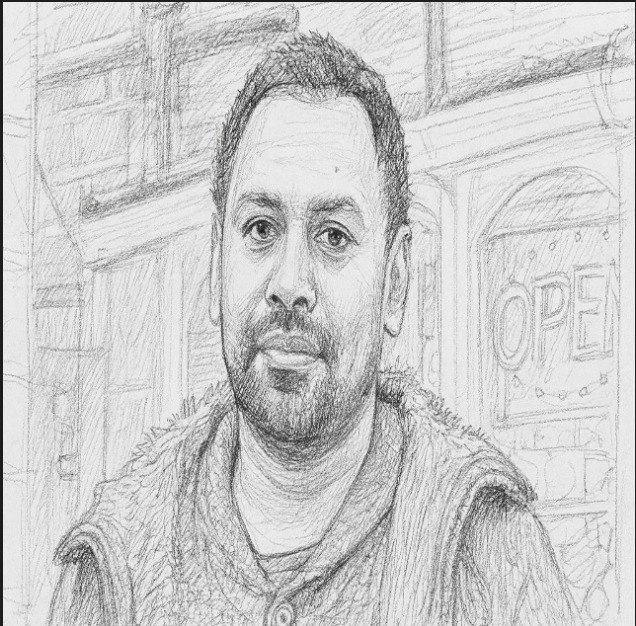
Mohammad Tanvir
মোহাম্মদ তানভীর
Blogger & Writer · Independent Analyst

Scan to save contact
Mohammad Tanvir
মোহাম্মদ তানভীর
Blogger & Writer | Independent Analyst
Mohammad Tanvir is a Bangladeshi-born British blogger, writer, and independent analyst based in the United Kingdom. With over a decade of experience in political and constitutional commentary, he publishes insightful analysis on law, politics, constitutional governance, societal issues, and international affairs. His work bridges two languages — English and Bengali — reaching a diverse, global readership across South Asia, Europe, and beyond.
A passionate advocate for constitutional democracy, freedom of expression, and informed public discourse, Tanvir's writings have been featured in various online platforms and academic discussions. He holds an MA in Law and regularly contributes to debates on constitutional reforms, geopolitics, and social justice.
Career Timeline
Started Blogging
ব্লগিং শুরু
Launched his first blog focusing on legal and political commentary in both English and Bengali, quickly gaining readership among South Asian diaspora and academic circles.
First Publication
প্রথম প্রকাশনা
Published his first featured article on constitutional reforms in South Asia, later republished by multiple online platforms. Established himself as a credible voice in constitutional analysis.
MA in Law
আইনে এমএ
Completed his Master of Arts in Law with a focus on constitutional law and human rights. His dissertation examined the basic structure doctrine across South Asian jurisdictions.
International Recognition
আন্তর্জাতিক স্বীকৃতি
Invited to speak at international conferences on constitutional democracy. His work received recognition from academic institutions and policy think tanks across Europe and Asia.
Podcast Launch
পডকাস্ট উদ্বোধন
Launched his own podcast series "The Tanvir Discourse," featuring in-depth conversations with legal scholars, political analysts, and journalists on pressing global issues.
Current Work
বর্তমান কাজ
Continues to publish regular analysis on his platform, working on a book manuscript on comparative constitutionalism, and expanding his multimedia presence through video essays and public lectures.
Publications
Constitutional Democracy in South Asia
দক্ষিণ এশিয়ায় সাংবিধানিক গণতন্ত্র
A comprehensive analysis of constitutional governance across South Asian nations, examining democratic institutions and their evolution.
Geopolitics of the Indo-Pacific
ইন্দো-প্যাসিফিকের ভূ-রাজনীতি
Strategic analysis of emerging power dynamics and regional cooperation frameworks in the Indo-Pacific region.
The Basic Structure Doctrine: A Comparative Jurisprudential Analysis
মৌলিক কাঠামো মতবাদ: একটি তুলনামূলক আইনশাস্ত্রীয় বিশ্লেষণ
Examining the origins, evolution, and application of the basic structure doctrine in India, Bangladesh, Pakistan, and Nepal.
Minority Rights and Constitutional Protections in Pluralistic Societies
বহুত্ববাদী সমাজে সংখ্যালঘু অধিকার ও সাংবিধানিক সুরক্ষা
A critical examination of constitutional safeguards for minority communities in diverse South Asian democracies.
Media Freedom and Democratic Accountability in South Asia
দক্ষিণ এশিয়ায় মিডিয়া স্বাধীনতা ও গণতান্ত্রিক জবাবদিহিতা
Exploring the critical role of independent journalism in sustaining democratic institutions across the region.
Law, Politics and Society: Collected Essays
আইন, রাজনীতি ও সমাজ: সংগৃহীত প্রবন্ধ
A curated collection of essays exploring the intersection of legal frameworks, political systems, and social change.
Awards & Milestones
Excellence in Constitutional Commentary Award
সাংবিধানিক ভাষ্যে শ্রেষ্ঠত্ব পুরস্কার
Recognized by the South Asian Legal Studies Association for outstanding contributions to constitutional discourse and public legal education.
50,000 Monthly Readership Milestone
৫০,০০০ মাসিক পাঠক মাইলফলক
Reached 50,000 monthly readers across his bilingual platform, marking significant growth in audience engagement and influence.
Featured Speaker — Oxford Global Law Summit
বৈশিষ্ট্যযুক্ত বক্তা — অক্সফোর্ড গ্লোবাল ল সম্মেলন
Invited as a featured speaker at the Oxford Global Law Summit to present on constitutional resilience in South Asian democracies.
International Recognition — Policy Impact
আন্তর্জাতিক স্বীকৃতি — নীতি প্রভাব
His analysis on electoral reform cited in policy briefs by international organizations including UNDP and International IDEA.
MA in Law with Distinction
আইনে এমএ ডিগ্রি — ডিস্টিংশন
Graduated with distinction for his Master's dissertation on comparative constitutional law in South Asia.
First Article Syndicated
প্রথম নিবন্ধ সিন্ডিকেটেড
His article on constitutional reforms was syndicated across five online publications, establishing his reputation as an emerging analyst.
Media Appearances & Interviews
The Tanvir Discourse — Episode 24: Constitutional Resilience
The Tanvir Discourse — পর্ব ২৪: সাংবিধানিক স্থিতিস্থাপকতা
A deep dive into how constitutional frameworks adapt to political crises, featuring Prof. Amartya Sen.
June 2026Guest Appearance — BBC World News: South Asia Review
অতিথি উপস্থিতি — বিবিসি ওয়ার্ল্ড নিউজ: দক্ষিণ এশিয়া রিভিউ
Expert commentary on constitutional developments in Bangladesh and regional political dynamics.
March 2026Interview — The Daily Star: Voices of the Diaspora
সাক্ষাৎকার — দ্য ডেইলি স্টার: প্রবাসীদের কণ্ঠস্বর
An in-depth interview discussing the role of diaspora writers in shaping transnational political discourse.
January 2026Guest Lecture — LSE: Constitutional Governance in Plural Societies
গেস্ট লেকচার — এলএসই: বহুত্ববাদী সমাজে সাংবিধানিক শাসন
Invited lecture at the London School of Economics on constitutional governance challenges in multi-ethnic democracies.
November 2025Panel Discussion — Al Jazeera: Inside Story
প্যানেল আলোচনা — আল জাজিরা: ইনসাইড স্টোরি
Participated in a live panel discussion on electoral integrity and democratic backsliding in South Asia.
August 2025Podcast Feature — Global Dispatches: Law & Order
পডকাস্ট ফিচার — গ্লোবাল ডিসপ্যাচেস: আইন ও শৃঙ্খলা
Discussion on the role of international law in addressing climate-induced migration and human security challenges.
May 2025